
Distribution Options
Compare distributors, retailers, and online channels to find the best fit for your business.
Distribution Channel Options We Help You Access
We connect you with three main types of distribution partners, each offering unique advantages for market entry and growth.

Handle import, warehousing, and physical distribution. Ideal for initial market entry, gathering sales data, and reaching retail chains.

Direct access to mass market consumers. Fastest route to scale with immediate visibility and promotional support.
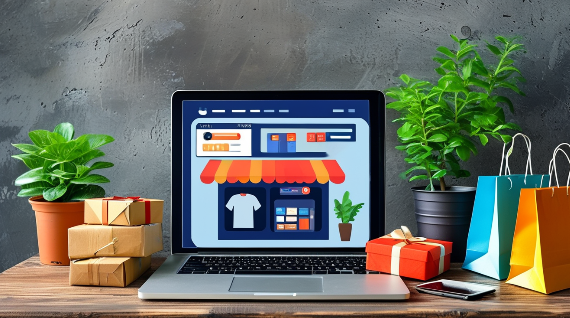
E-commerce platforms and specialized web shops. Perfect for testing markets, collecting reviews, and building brand awareness.
How to Start? With Distributors, Retailers, or Online?
If you have a consumer product that you cannot sell directly from your home country to your end customer, you need at least one step in between. This can be a distributor (who also acts as wholesaler or importer), a big retailer directly, or a large web shop. Let’s look at the pros and cons of each option.
Distributors
Distributors are used to import, store, and physically distribute a product. They serve as the bridge between manufacturers and the retail market.
Advantages
- Best chance to get your product in the market and establish presence
- Ability to gather valuable sales data and market insights
- Handle logistics, warehousing, and local market knowledge
- Can help you reach smaller chains and individual stores
Limitations
- Normally do not invest in promoting your product to consumers
- May have limited marketing resources and focus
- Slower route to mass market compared to large retailers
Best for: Initial market entry, gathering sales data, and building relationships before approaching larger retailers.
Large Retailers
Large retailers provide direct access to the mass market. They are the quickest route to scale, but require a strong value proposition and proven track record.
Advantages
- Quickest route to the mass market if you can convince them
- Can help promote your product in their stores and magazines
- Immediate access to large customer base and high visibility
- Potential for significant volume and rapid market penetration
Limitations
- Very risk averse and difficult to approach without proven track record
- May ask for listing fees before putting your product on shelves
- Will also ask fees for promotional support and marketing
- High competition for limited shelf space
Best for: Established brands with proven sales data, strong marketing support, and ability to meet volume requirements.
Online Channels
Online channels include specialized web shops and e-commerce platforms. Specialized web shops may have greater interest in your product than general web shops.
Advantages
- Can experiment more easily with pricing and promotional strategies
- Good way to collect customer reviews and build brand awareness
- Lower barriers to entry compared to physical retail
- Direct customer feedback and data analytics available
Limitations
- Volumes may be lower initially compared to large retailers
- High competition for visibility on general e-commerce platforms
- May require investment in digital marketing and SEO
Best for: Testing markets, building brand awareness, collecting customer feedback, and products suited for online sales.
Partner Approach Strategy
Learn how to convince distributors and retailers with data-driven business cases. Key Question of Any Distribution Partner “How much will I earn?” This is the fundamental question every distributor, retailer, and web shop asks when considering a new product. Understanding this mindset is crucial to your success.
Show Clear Benefits
- You must clearly show a potential channel partner the benefits of working with you. Often brand owners or manufacturers see it as the task of the distribution partner to search for possibilities in the market and make the marketing plan.
- This may work if you are a famous brand in a neighboring country, but not if you are unknown in a market.
What to Include in Your Pitch
- Provide realistic projections of units sold per month/year. Base these on market research, comparable products, or existing sales data from other markets.
- Show clear profit margins for the distributor. Include wholesale pricing, suggested retail pricing, and the distributor’s potential profit per unit.
- Be transparent about what effort is needed from the distributor. Will you provide marketing materials? Training? Sales support?
- Outline initial investment needed (inventory, marketing, training). Show ROI timeline and break-even analysis.
The burden of proof is on you to demonstrate why a partner should invest their time, resources, and shelf space in your product instead of continuing with their current successful portfolio.
Recommended Strategy?
For fast-moving consumer goods, everyone wants to work with the main retailers. However, it may be a better strategy to:
- Find a distributor first who can help you get your products in smaller chains or individual stores
- Gather sales data and build market presence
- Use this proven track record to approach larger retailers
- Alternatively, start online to collect reviews and build brand awareness before approaching physical retail
 | Market Entry Advisory